Empowering Youth Voices in Political Discourse
- galinakirabo3
- 6 hours ago
- 4 min read
In today's rapidly changing world, the voices of young people are more crucial than ever in shaping political discourse. With a unique perspective on pressing issues such as climate change, social justice, and economic inequality, youth have the potential to drive meaningful change. However, their voices often go unheard in traditional political arenas. This blog post explores the importance of empowering youth voices in political discourse, the challenges they face, and practical ways to amplify their contributions.
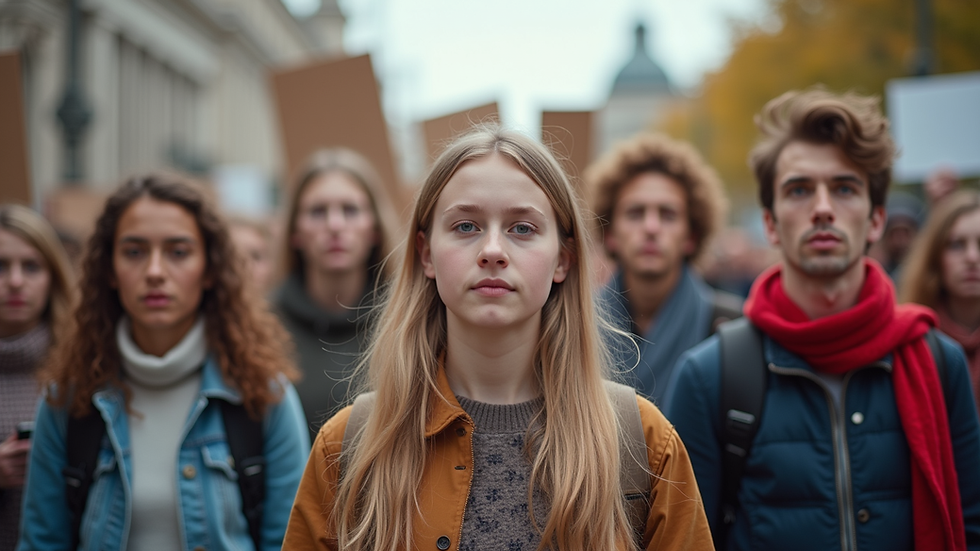
The Importance of Youth Voices
Young people are not just the leaders of tomorrow; they are the leaders of today. Their insights and experiences can provide fresh perspectives on longstanding issues. Here are a few reasons why empowering youth voices is essential:
Innovative Ideas: Youth often think outside the box, proposing solutions that older generations may overlook. Their familiarity with technology and social media allows them to communicate ideas rapidly and effectively.
Representation: Young people represent a significant portion of the population. Ignoring their voices means ignoring the needs and desires of a large demographic. Their participation ensures that policies reflect the interests of all citizens.
Long-term Impact: Decisions made today will affect future generations. By involving youth in political discussions, we can create policies that are sustainable and beneficial for the long term.
Challenges Faced by Young People in Political Discourse
Despite their potential, young people encounter numerous obstacles when trying to engage in political discourse:
Lack of Access: Many young individuals lack access to platforms where their voices can be heard. Traditional political structures often favor established figures, sidelining youth.
Skepticism: Older generations may dismiss youth opinions as naive or uninformed. This skepticism can discourage young people from participating in political discussions.
Limited Experience: Young people may feel they lack the experience or knowledge to engage in political debates. This can lead to feelings of inadequacy and silence.
Strategies to Empower Youth Voices
To overcome these challenges, it is crucial to implement strategies that empower young people to engage in political discourse effectively. Here are some practical approaches:
1. Create Inclusive Platforms
Establishing platforms specifically designed for youth engagement can help amplify their voices. This could include:
Youth Councils: Local governments can create councils that allow young people to advise on policies affecting their communities.
Online Forums: Social media and dedicated websites can serve as spaces for young people to discuss issues, share ideas, and mobilize support.
2. Encourage Education and Awareness
Educating young people about political processes and issues is vital. Schools and community organizations can:
Host Workshops: Offer workshops on civic engagement, public speaking, and advocacy skills to equip youth with the tools they need to participate effectively.
Promote Critical Thinking: Encourage young people to analyze current events and engage in discussions about political issues, fostering a culture of informed debate.
3. Foster Mentorship Opportunities
Connecting young people with mentors in the political field can provide guidance and support. Mentorship programs can:
Pair Youth with Leaders: Establish relationships between young activists and experienced political figures who can offer insights and advice.
Provide Networking Opportunities: Create events where young people can meet and interact with political leaders, helping them build connections and gain confidence.
4. Utilize Technology for Advocacy
Technology can be a powerful tool for youth engagement. Young people can leverage digital platforms to:
Organize Campaigns: Use social media to mobilize support for causes they care about, creating viral campaigns that draw attention to important issues.
Share Stories: Encourage youth to share their personal experiences related to political issues, humanizing the topics and fostering empathy among audiences.
Case Studies of Successful Youth Engagement
Several examples illustrate the power of youth voices in political discourse:
The March for Our Lives Movement
In 2018, students from Marjory Stoneman Douglas High School organized the March for Our Lives movement in response to gun violence. This grassroots campaign mobilized millions of young people across the United States, advocating for stricter gun control laws. Their efforts resulted in increased awareness and legislative discussions around gun safety.
Climate Strikes Led by Greta Thunberg
Swedish activist Greta Thunberg inspired a global movement with her school strike for climate action. Her simple yet powerful message resonated with youth worldwide, leading to the Fridays for Future movement. This initiative has brought millions of young people together to demand action on climate change, influencing political leaders and policies globally.
The Role of Adults in Supporting Youth Voices
Adults play a crucial role in empowering youth voices. Here are ways they can support young people in political discourse:
Listen Actively: Adults should take the time to listen to young people's concerns and ideas, validating their experiences and perspectives.
Provide Resources: Offering resources such as funding for youth-led initiatives or access to training can help young people amplify their voices.
Advocate for Inclusion: Adults in political positions can advocate for policies that promote youth engagement, ensuring that young voices are included in decision-making processes.
Conclusion
Empowering youth voices in political discourse is not just beneficial; it is essential for a thriving democracy. By creating inclusive platforms, fostering education, and utilizing technology, we can ensure that young people have the opportunity to contribute meaningfully to political discussions. As we move forward, it is vital for adults to support and amplify these voices, recognizing that the future of our society depends on the engagement of its youngest members.
Let us commit to listening to and empowering youth, ensuring that their voices are heard and valued in the political landscape. Together, we can build a more inclusive and representative future.

Comments